A Good Sale Should Work for Both Sides
Selling is part of business. Representatives are expected to grow accounts, manufacturers need volume and retailers need products that attract customers. There is nothing wrong with asking for an order, introducing an additional line or challenging a retailer to consider an opportunity.
The line is crossed when the goal becomes placing as much inventory as possible without reasonable regard for whether the store can sell it.
Inventory Has a Cost
Every box in a humidor represents cash tied up in inventory and shelf space that cannot be used for something else. Retailers have to balance depth, variety, customer demand and cash flow. A representative who understands that reality is more likely to build a durable account.
Overselling can look successful on the day the invoice is written. Months later, it may leave the retailer staring at slow-moving product and becoming reluctant to buy from that company again.
Signs of Responsible Selling
Responsible selling begins with questions. What moves in this store? Which price points are strongest? How much space is available? What similar products already compete for the same customer? Has the retailer sold through the previous order?
The answers do not always mean ordering less. Sometimes the right answer is a larger commitment because demand supports it. The difference is that the recommendation is based on the account, not simply on a target.
Promotions Should Create Demand, Not Hide It
Discounts, deals and incentives can be legitimate tools. They become a problem when a promotion makes an oversized order look attractive even though the underlying consumer demand is weak. Free goods do not make slow inventory disappear; they can simply increase the amount of it.
The strongest promotions give retailers a reason to feature a product that already has a credible path to sell-through.
Trust Is More Valuable Than One Large Order
A representative who advises a retailer not to overbuy may sacrifice some short-term volume, but that honesty can produce a much stronger relationship. The retailer learns that the recommendation is intended to help the account, not merely the representative.
Trust changes the next conversation. Retailers are more willing to listen to a new-product recommendation when previous recommendations have proven sound.
The Standard
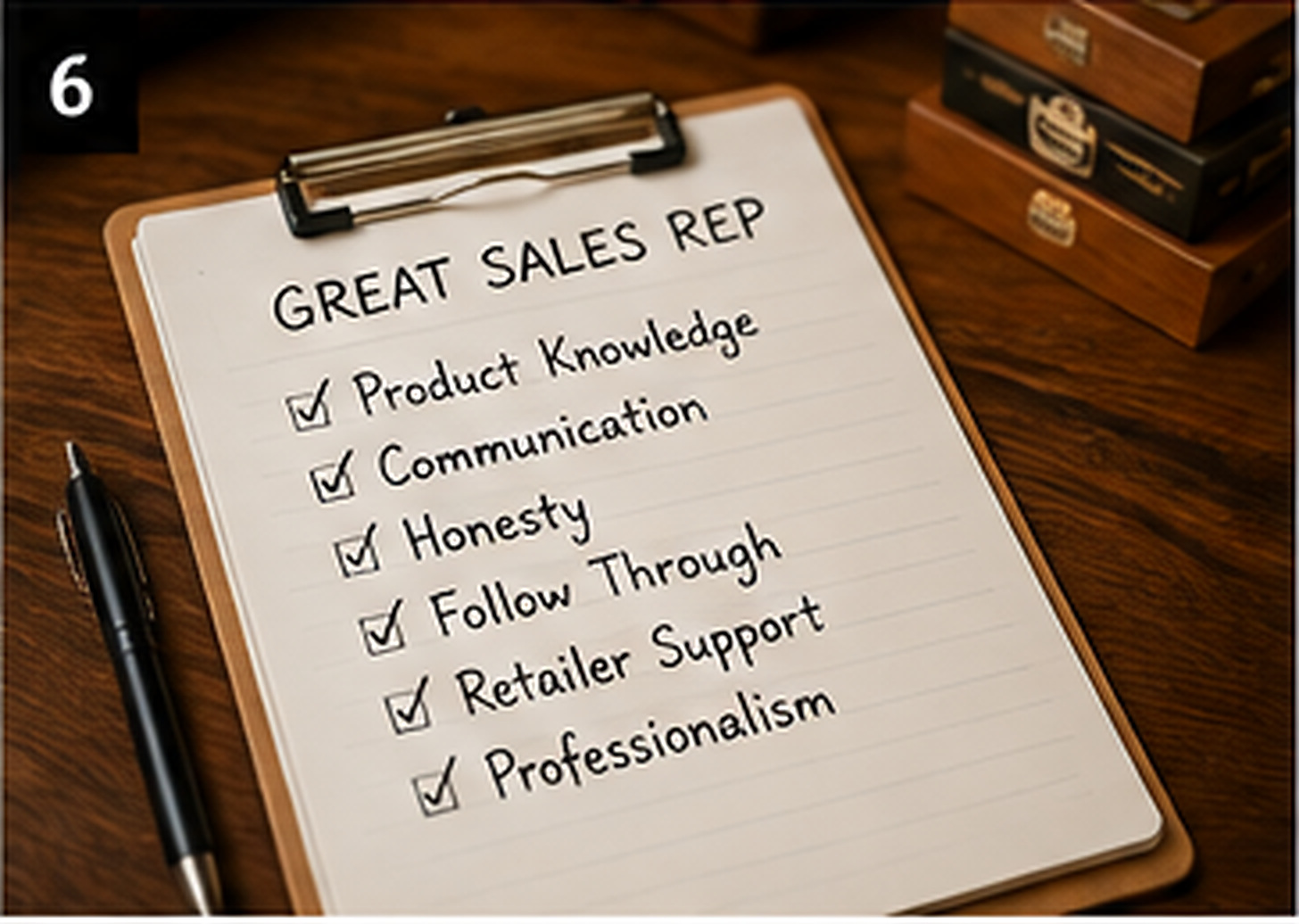
Ashologist™ supports ambitious selling, but ambitious selling should still be responsible selling. The objective should be healthy sell-through, appropriate inventory and repeat business.
A great representative does not just ask how much can be sold into an account. The better question is how much the account can successfully sell through.