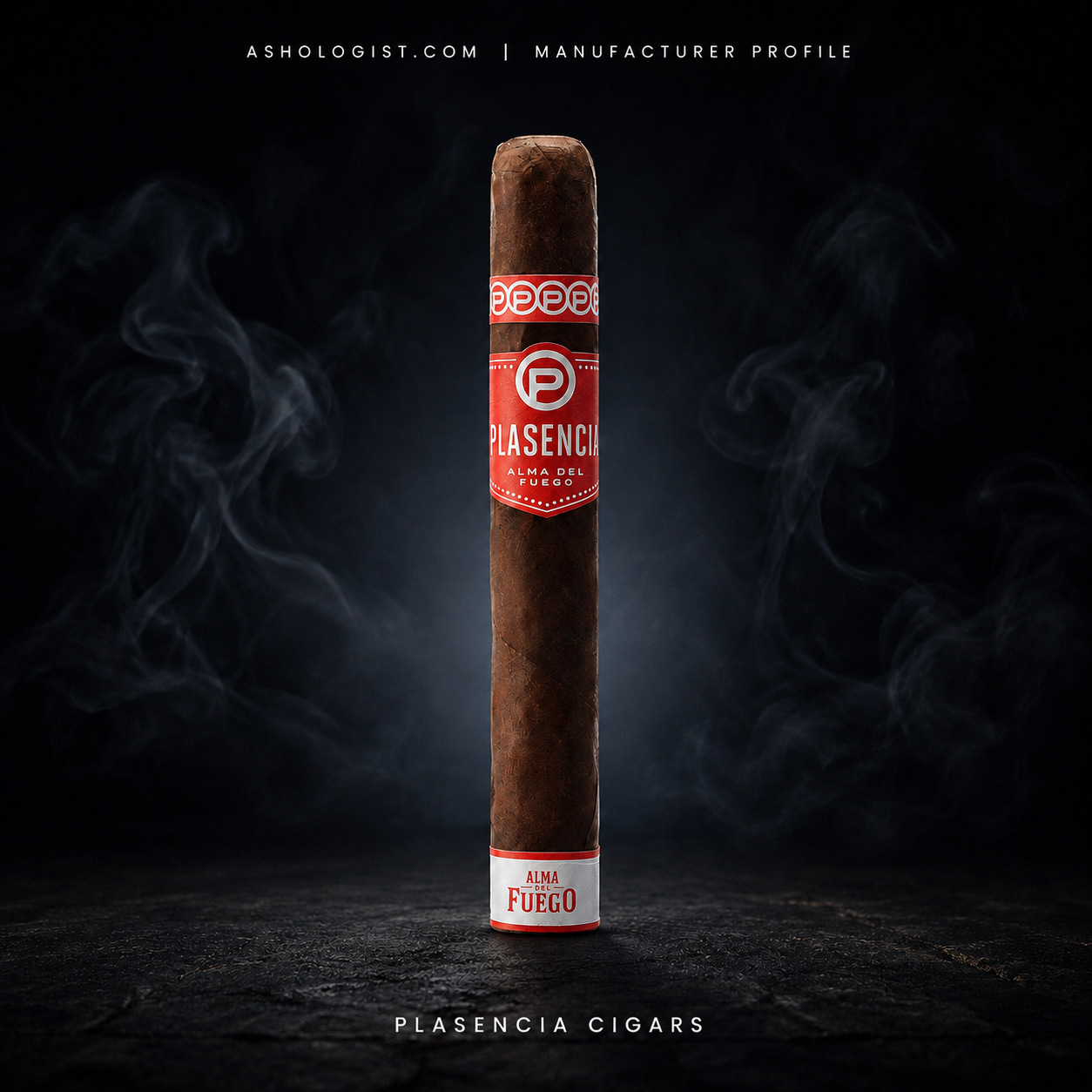
Manufacturer Profile
Plasencia Cigars
Five Generations of Tobacco, Central American Scale and a Modern Family Portfolio
Last verified August 19, 2026
Plasencia Cigars at a Glance
- Family origin
- Don Eduardo Plasencia began growing tobacco in Vuelta Abajo, Cuba, in 1865
- Ownership
- Privately held by the Plasencia family
- Current family leadership
- Nestor Plasencia and fifth-generation executive Nestor Andres Plasencia; the company identifies Nestor Andres as chief executive
- Production countries
- Nicaragua and Honduras, with multiple farms, processing operations and cigar factories
- U.S. distribution
- Plasencia 1865, based in Miami, Florida
- Operating identity
- Large-scale tobacco grower, vertically integrated cigar manufacturer and contract producer for other brands
- Principal namesake collections
- Alma Fuerte, Alma del Campo, Alma del Fuego, Alma del Cielo, Reserva Original, Cosecha 149 and Cosecha 151
Plasencia Cigars is the family-owned premium-cigar brand built on a tobacco-growing and manufacturing lineage that began in Cuba in 1865. After losing its Cuban farms, the family rebuilt in Nicaragua, moved again during political upheaval, established operations in Honduras and eventually returned to Nicaragua. The result is one of the industry's most vertically integrated businesses: farming, curing, aging, blending, manufacturing and distributing cigars across a large Central American network.
For much of its modern history, Plasencia was better known inside the cigar trade than on retail shelves under its own name. The family grew tobacco and produced cigars for many other companies. Its modern namesake portfolio changed that public identity, using Alma Fuerte, Alma del Campo, Reserva Original and the Cosecha series to place the Plasencia name directly in front of consumers.
From the Canary Islands to Vuelta Abajo
The official Plasencia timeline begins in 1865, when Don Eduardo Plasencia left the Canary Islands and planted tobacco in Cuba's Vuelta Abajo region. His nephew, Sixto Plasencia Juares, joined the business in 1898. The family expanded through the Corojal farm in 1920 and, by 1943, operated as Hijos de Sixto Plasencia, exporting and supplying larger companies.
Those early decades established a pattern that still defines the company: agriculture came first. The Plasencias were tobacco growers before the family name became a modern consumer-facing cigar label. That distinction explains why the company's identity reaches beyond its current retail collections and why its manufacturing relationships are central to the story.
Confiscation, Exile and a New Beginning
Political change in Cuba ended the family's original agricultural base. Plasencia's official history says the farms were confiscated in 1963, forcing Sixto Plasencia Perez and his family to leave for Mexico and later Nicaragua. In 1965, they planted again in Nicaraguan soil, carrying seeds and tobacco knowledge into a new country.
The family was displaced a second time when political turmoil in Nicaragua pushed it to Honduras in 1978. Rather than abandon tobacco, the Plasencias rebuilt again. Nestor Plasencia formally entered cigar manufacturing in 1987, and the family returned to Nicaragua in 1990 while continuing its Honduran operations. From that point, the two-country platform became a durable part of the business.
Building a Central American Manufacturing Network
During the 1990s and 2000s, the family expanded land, factories and processing capacity. Its official timeline says the business consolidated its manufacturing interests in 1995, opened additional factories in Nicaragua and Honduras, and supplied tobacco both to its own facilities and to outside companies. By 2005, Plasencia said more than 30 brands trusted it to make cigars.
The exact scale changes over time, so it should be dated rather than treated as a permanent number. Plasencia's history says that by 2015 the family was producing about 40 million cigars a year. A 2017 company description cited more than 3,000 acres of tobacco and more than 40 million handmade cigars annually. Those figures establish industrial scale without implying that every current cigar or every client belongs on this page.
Vertical Integration: Seed, Soil and Finished Cigar
Plasencia's most important operating advantage is vertical integration. The family controls seed selection, farm preparation, cultivation, curing, fermentation, aging, blending and manufacturing across its network. That control supports both its own collections and contract production for other premium-cigar companies. It also gives the business a large tobacco inventory from several regions and harvests.
Factory attribution should still be specific. The Plasencia Cigars factory in Nicaragua is associated with the Alma collections and Reserva Original, while the Tabacos de Oriente operation in Honduras is associated with Cosecha 149 and Cosecha 151. Other Plasencia factories may produce cigars for outside brands. Ashologist should verify the factory, country and blend for each cigar rather than assigning the whole network to every line.
Organic Tobacco and Sustainability
The company also places sustainability inside its operating story. Nestor Andres Plasencia began organic-tobacco testing after agricultural school, and the family says it achieved Organic Crop Improvement Association certification in 2000. Its timeline describes water-saving fertigation systems, reduced water use and community investment through preschools and childhood-development centers.
Reserva Original is the clearest consumer expression of that work: an all-Nicaraguan cigar built around the family's certified-organic tobacco program. Sustainability claims should remain tied to official statements and periodically rechecked, but the agricultural program is substantial enough to belong in the permanent company profile.
The Modern Plasencia-Branded Portfolio
The family created Miami-based Plasencia 1865 to distribute its own cigars in the United States. Alma Fuerte arrived in 2016, and the official company timeline marks 2017 as the broader launch of the Plasencia Cigars brand through Nestor Andres, Gustavo and Jose Luis Plasencia. That rollout shifted the Plasencia name from a behind-the-scenes manufacturing credential to a consumer-facing premium brand.
The portfolio is organized around a few strong concepts. The Alma series interprets different aspects of Nicaraguan land and family identity. Reserva Original emphasizes organic tobacco. The Cosecha series uses specific numbered harvests, especially Honduran crops. Limited releases can sit around those permanent pillars without turning the manufacturer page into a release calendar.
Plasencia Cigars Brand Portfolio
This map highlights the principal Plasencia collections a reader should understand. It is not an exhaustive inventory of every vitola, sampler, annual limited edition, discontinued line or cigar produced under contract for another company.
| Family | Position in the Range | Selected Names |
|---|---|---|
| Alma Fuerte | The flagship high-end Nicaraguan collection and the first major release of the modern Plasencia-branded era. | Eduardo I, Nestor IV, Generacion V, Robustus and Sixto expressions |
| Alma del Campo | An all-Nicaraguan line centered on the fields and the second major chapter in the Alma concept. | Tribu, Guajiro, Sendero, Travesia and Madrono |
| Alma del Fuego | A Nicaraguan puro emphasizing Ometepe tobacco and volcanic-soil identity. | Candente, Concepcion and Flama |
| Alma del Cielo | A high-elevation Nicaraguan collection tied to Finca San Julian in Condega. | Celeste, Boreal and Amanecer |
| Reserva Original | An approachable all-Nicaraguan collection built around the family's certified-organic tobacco program. | Corona Corta, Nestico, Robusto, Toro and Cortez |
| Cosecha series | Harvest-specific Honduran cigars that connect numbered crops to the family's agricultural history. | Cosecha 149, Cosecha 151 and the earlier Cosecha 146 |
| Limited and commemorative releases | Small-production projects that celebrate family milestones, calendar themes or special events. | Year of the Horse, Triunfal and selected birthday or TAA editions |
Alma Fuerte
Alma Fuerte is the centerpiece of the modern Plasencia range. Introduced in 2016, it uses aged Nicaraguan tobacco and is presented in distinctive formats, including the Generacion V Salomon and six-sided Sixto expressions. Its importance is larger than one blend: it established the premium positioning, visual language and family-name confidence that helped launch Plasencia as its own consumer brand.
Alma del Campo
Alma del Campo followed as the second Alma collection. Made from Plasencia-grown Nicaraguan tobacco, it represents the 'soul of the field' within the series. Tribu, Guajiro, Sendero, Travesia and Madrono give the line a range of recognizable formats, but the manufacturer page only needs to establish its role beside Alma Fuerte.
Alma del Fuego and Alma del Cielo
Alma del Fuego focuses on the volcanic character associated with Ometepe and uses an all-Nicaraguan blend finished with a Jalapa sun-grown wrapper. Alma del Cielo adds a high-elevation chapter built around tobacco from Finca San Julian in Condega, which the company describes as growing at about 1,300 meters above sea level. Together, they show how Plasencia turns farm and region into collection-level stories.
Reserva Original
Reserva Original gives the portfolio a different kind of distinction. It is an all-Nicaraguan cigar associated with the family's certified-organic tobacco. The collection includes traditional formats such as Robusto and Toro along with smaller options such as Nestico and Corona Corta. Its company-level value is the direct connection between agricultural practice and a regularly available branded cigar.
Cosecha 149 and Cosecha 151
Cosecha means 'harvest,' and the numbered series makes crop history the organizing idea. Cosecha 149 uses Honduran tobacco from the family's 149th harvest in 2014 and became Plasencia's first all-Honduran namesake cigar. Cosecha 151 commemorates the 151st continuous harvest with another all-Honduran blend. Both connect Tabacos de Oriente manufacturing with farms in Honduran regions such as Olancho, Jamastran and Talanga.
Contract Manufacturing and Industry Reach
Plasencia's influence extends beyond boxes carrying the family name. The company grows leaf and manufactures cigars for numerous other brands, a role it held long before the modern Plasencia portfolio became prominent. That work should be acknowledged without publishing an unstable client list. A separate brand profile can name Plasencia as the factory when the brand or cigar's current source confirms it.
Plasencia in the Ashology Network
On Ashologist.com, this manufacturer page should sit above brand and cigar records for Alma Fuerte, Alma del Campo, Alma del Fuego, Alma del Cielo, Reserva Original and the Cosecha series. Each product page can link here for family history, farming scale, factory structure and the distinction between Plasencia's own brands and its contract-manufacturing work.
The page should not assign one Plasencia score or import judgments from cigars made for unrelated companies. Ashology reviews, rankings and Cigar of the Year matchups remain the homes for tasting, construction and comparative evidence. The manufacturer hub provides the durable history and entity map beneath those individual evaluations.
Brand Families
Independent Ashologist brand-family profiles connected to Plasencia Cigars.
-
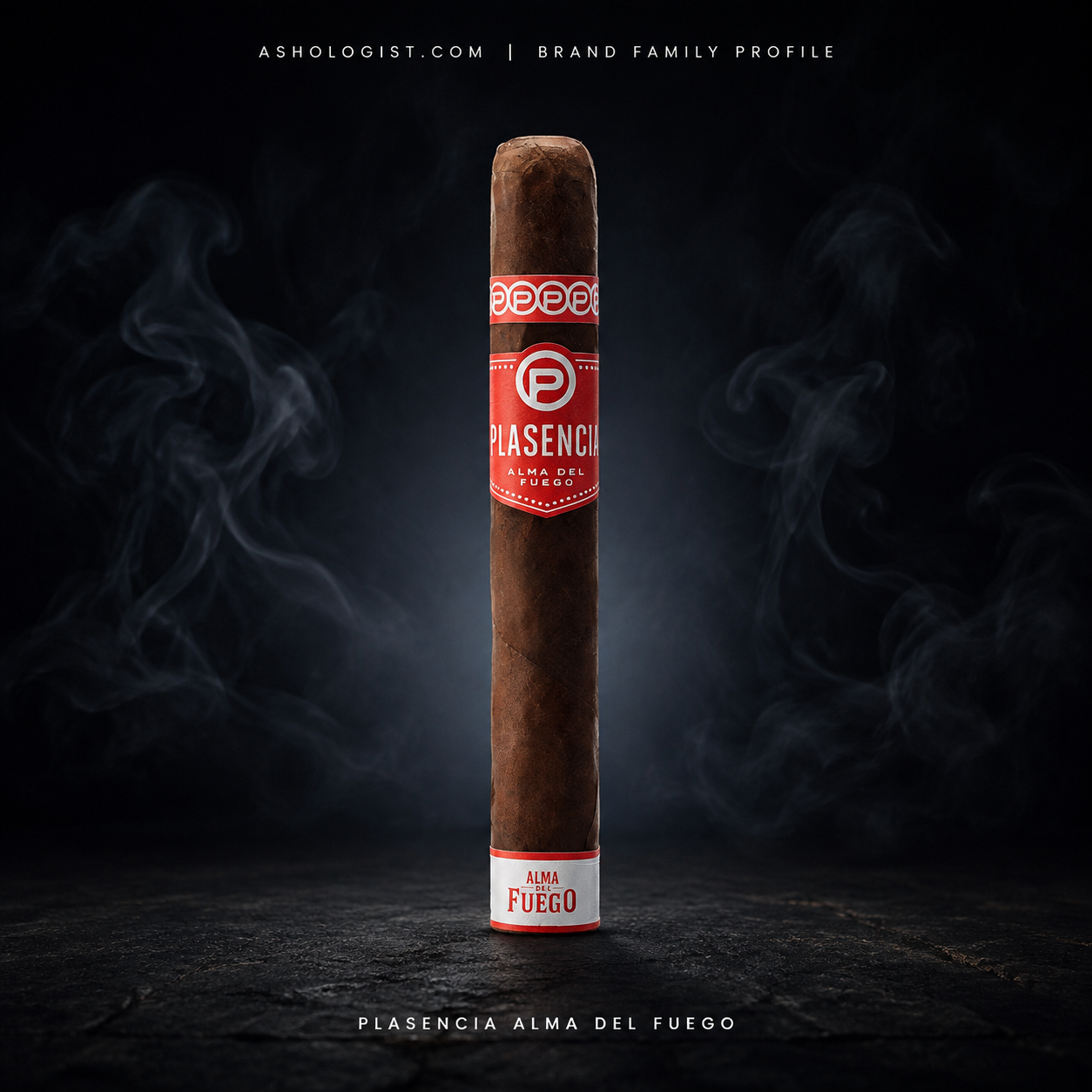 Plasencia Alma del Fuego
The Soul of Fire: Ometepe Tobacco, Volcanic Soil and the Plasencia Alma Series
Plasencia Alma del Fuego
The Soul of Fire: Ometepe Tobacco, Volcanic Soil and the Plasencia Alma Series
-
Plasencia Alma Series
Soul of the Plasencia Portfolio: Fuerte, Campo, Fuego and Cielo
-
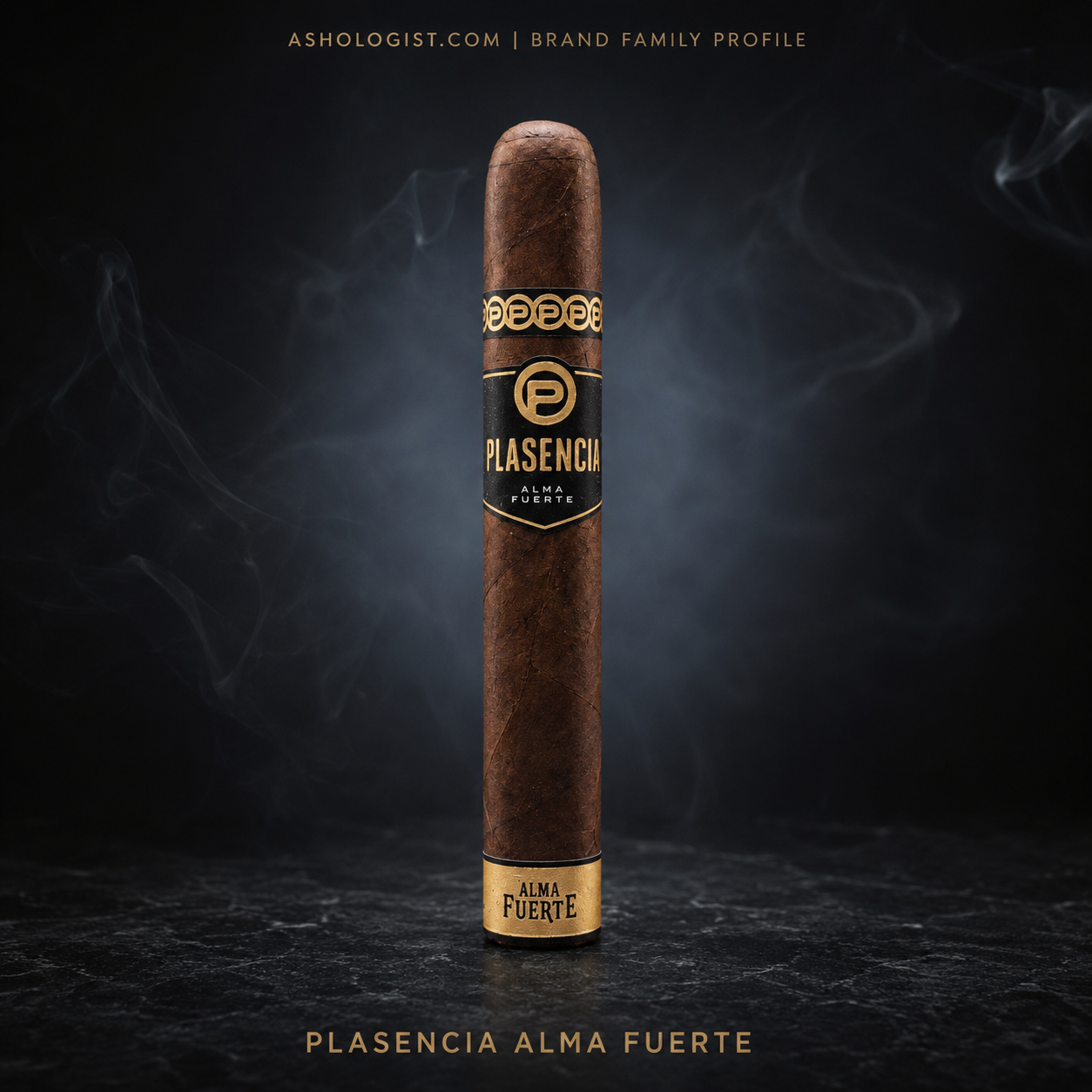 Plasencia Alma Fuerte
Strong Soul of the Plasencia Portfolio: Aged Nicaraguan Tobacco and Sculpted Formats
Plasencia Alma Fuerte
Strong Soul of the Plasencia Portfolio: Aged Nicaraguan Tobacco and Sculpted Formats
-
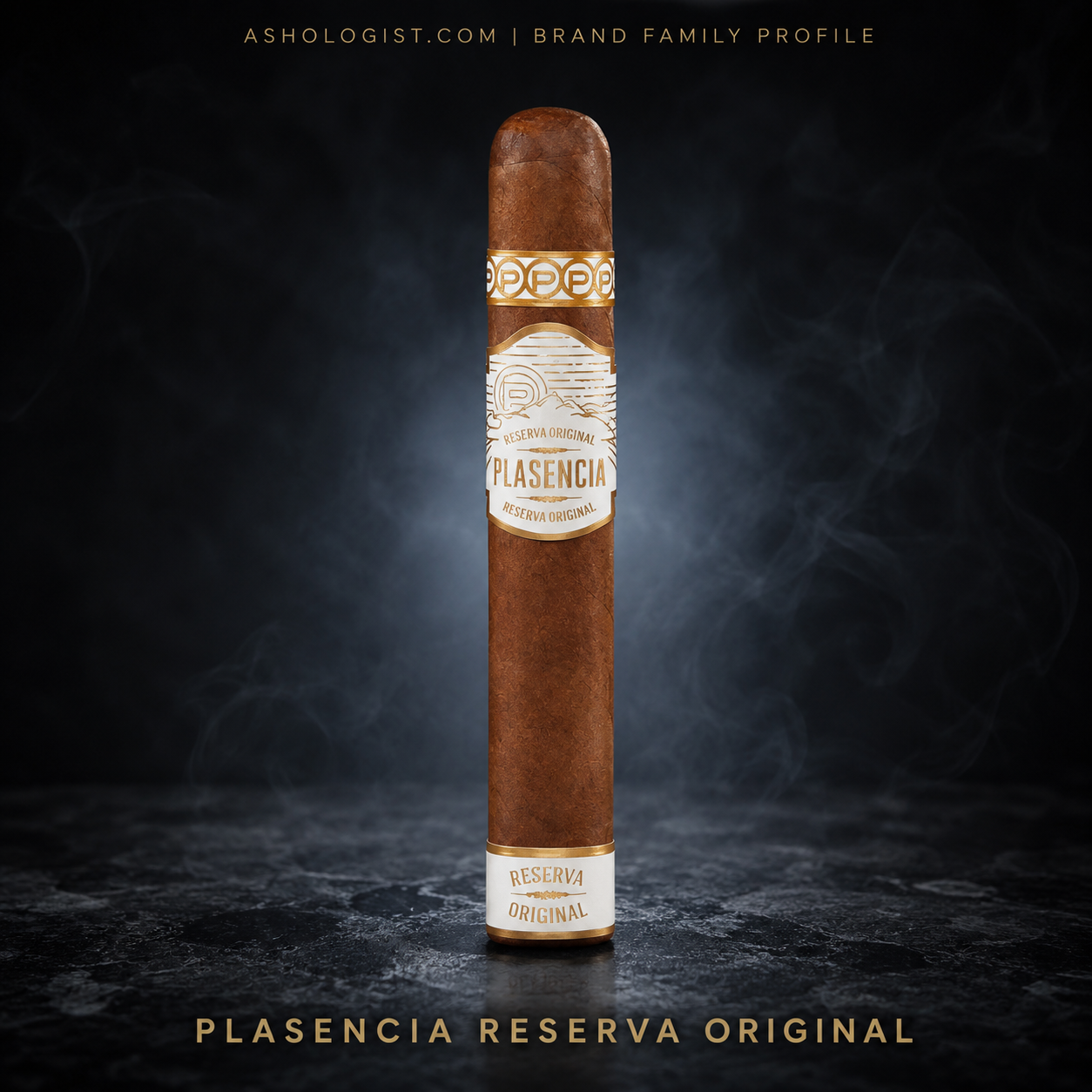 Plasencia Reserva Original
An All-Nicaraguan Five-Size Collection Rooted in Plasencia Agriculture
Plasencia Reserva Original
An All-Nicaraguan Five-Size Collection Rooted in Plasencia Agriculture
-
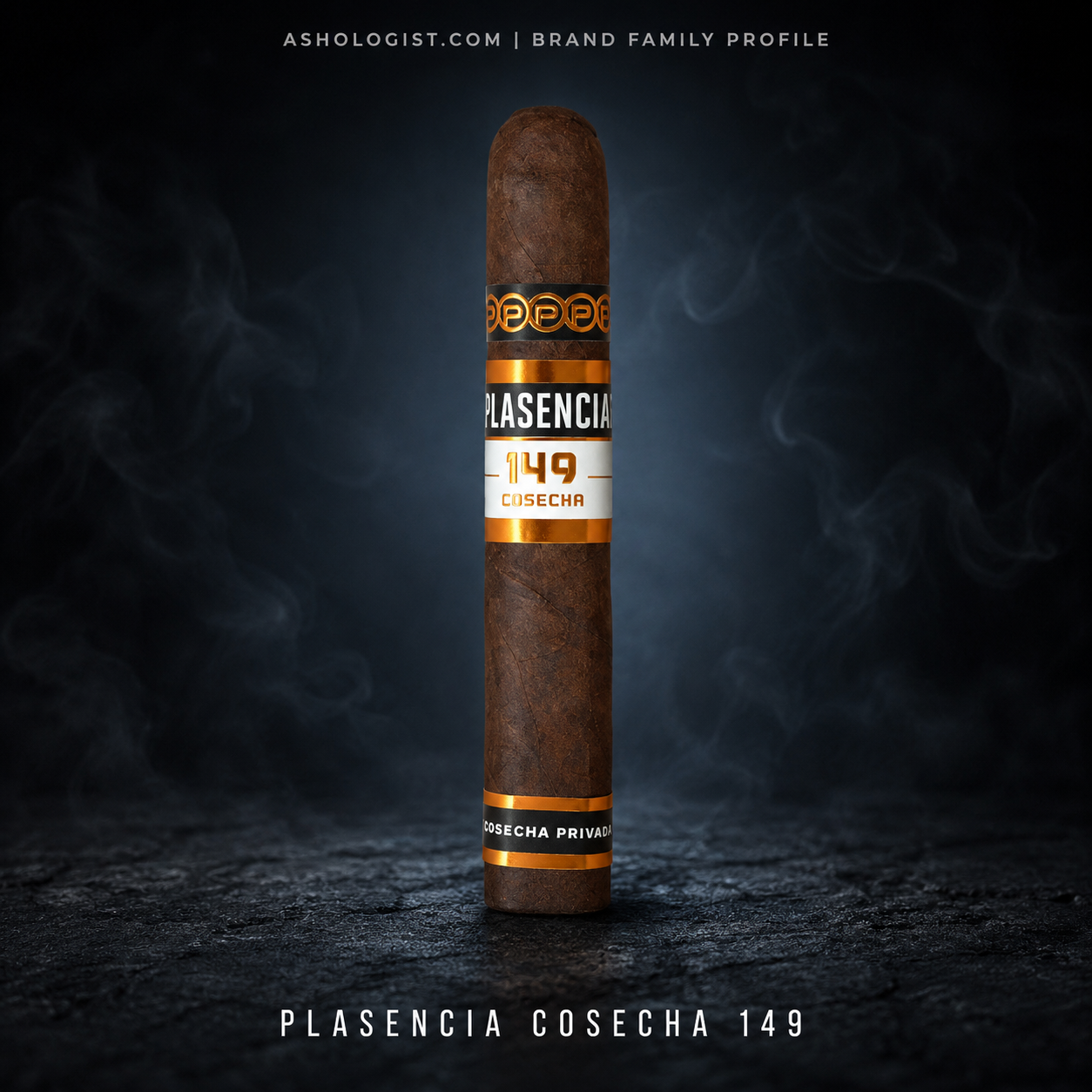 Plasencia Cosecha 149
The First All-Honduran Plasencia Cigar from the Family’s 149th Harvest
Plasencia Cosecha 149
The First All-Honduran Plasencia Cigar from the Family’s 149th Harvest
-
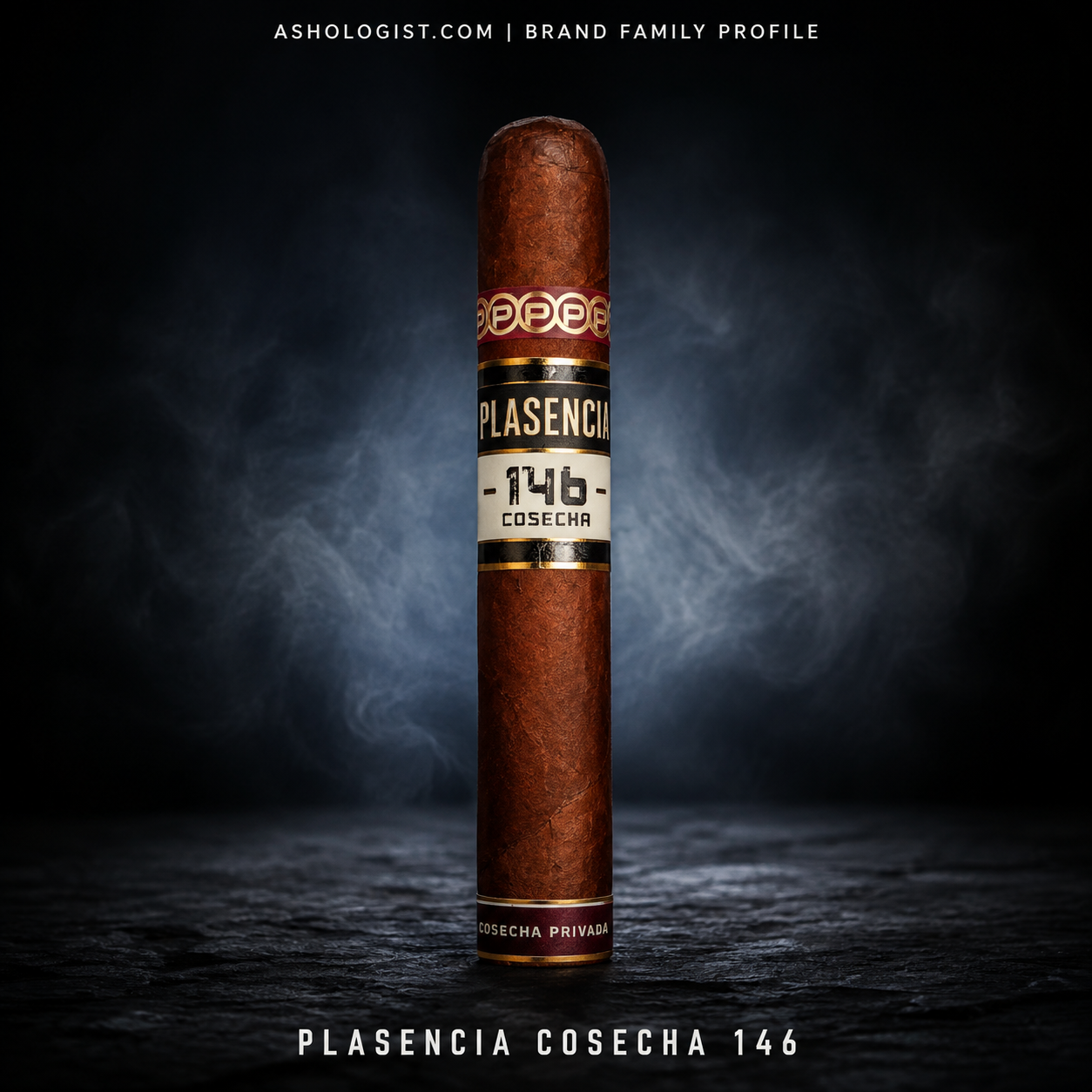 Plasencia Cosecha 146
A Nicaragua-Made Harvest Family Combining Honduran and Nicaraguan Tobacco
Plasencia Cosecha 146
A Nicaragua-Made Harvest Family Combining Honduran and Nicaraguan Tobacco
-
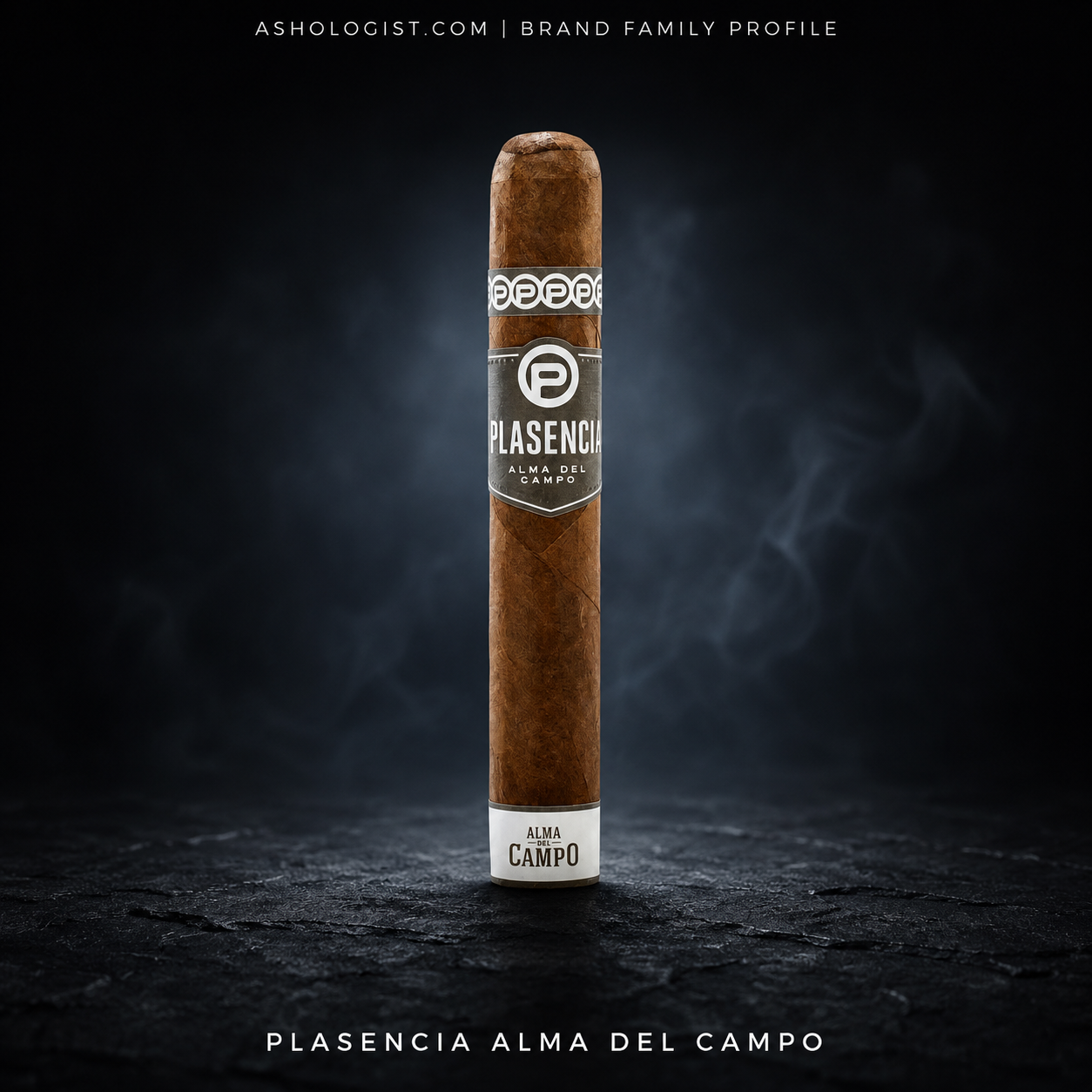 Plasencia Alma del Campo
A Five-Format Nicaraguan Chapter in Plasencia’s Alma Series
Plasencia Alma del Campo
A Five-Format Nicaraguan Chapter in Plasencia’s Alma Series
-
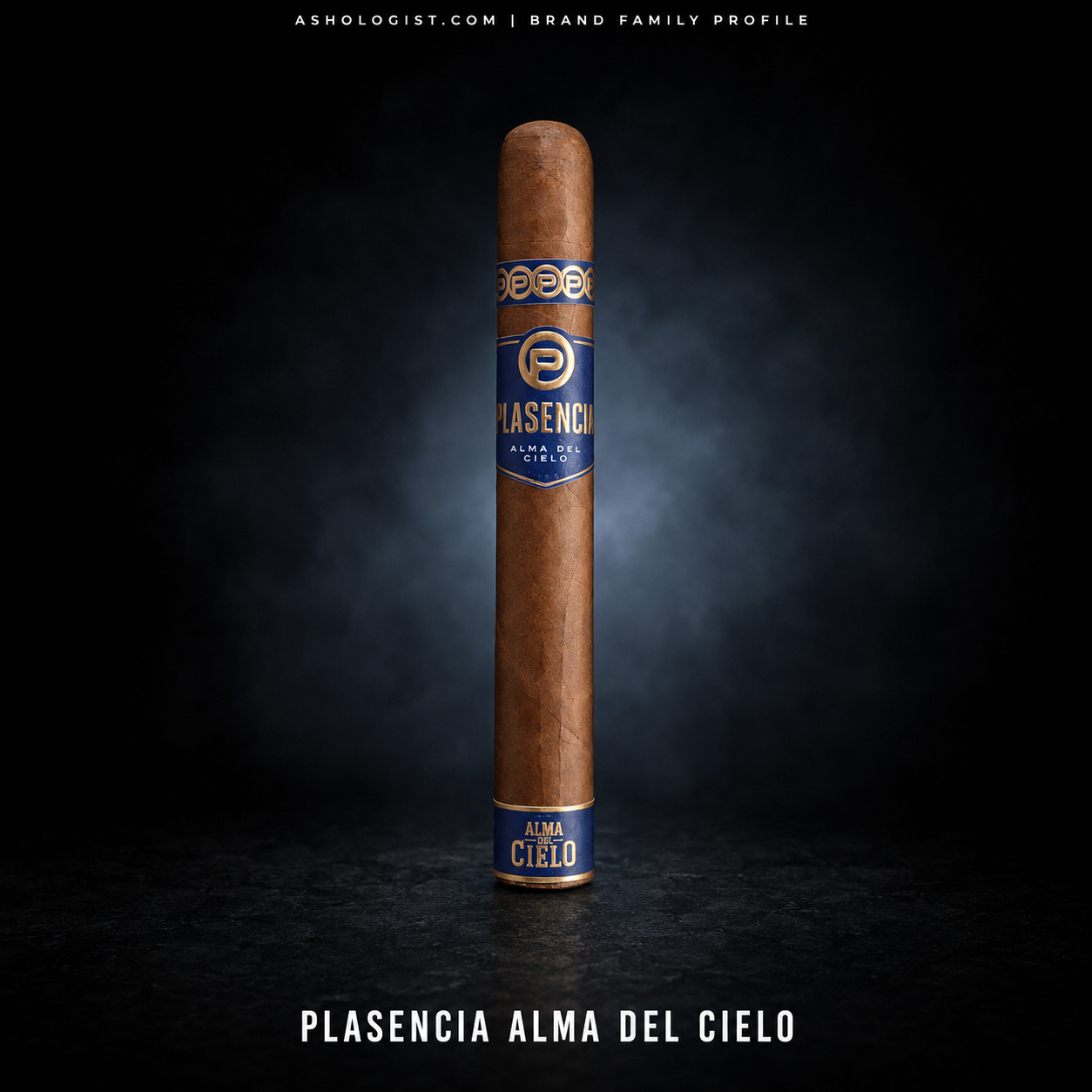 Plasencia Alma del Cielo
High-Elevation Nicaraguan Tobacco from Finca San Julián
Plasencia Alma del Cielo
High-Elevation Nicaraguan Tobacco from Finca San Julián
Frequently Asked Questions
Who founded Plasencia Cigars?
The family history begins with Don Eduardo Plasencia, who started growing tobacco in Cuba's Vuelta Abajo region in 1865. The modern consumer-facing Plasencia Cigars portfolio was launched by later generations in 2016 and 2017.
Who owns Plasencia Cigars?
Plasencia Cigars is privately held by the Plasencia family. Nestor Plasencia and fifth-generation family executives continue to lead the business.
Where are Plasencia cigars made?
The family's namesake cigars are made in Nicaragua and Honduras. The Alma collections and Reserva Original are associated with Nicaraguan production, while Cosecha 149 and Cosecha 151 are made in Honduras. Exact factory and origin should be checked for each cigar.
Does Plasencia grow its own tobacco?
Yes. Tobacco agriculture is the foundation of the business. The family operates farms and processing facilities and controls production from seed selection and cultivation through aging, blending and cigar manufacturing.
Does Plasencia make cigars for other companies?
Yes. Plasencia is a major contract manufacturer and tobacco supplier for other premium-cigar brands. Its official history has said that more than 30 brands use its production capabilities, although the current client list can change.
What does the Alma name mean?
Alma means 'soul' in Spanish. Plasencia uses the Alma series to connect cigars with different aspects of its family, fields and Nicaraguan growing regions.
What does Cosecha mean?
Cosecha means 'harvest.' The numbered Plasencia Cosecha cigars commemorate particular crops in the family's continuous tobacco history, including the 149th and 151st harvests.
Is Plasencia Reserva Original organic?
Plasencia presents Reserva Original as an all-Nicaraguan cigar made with tobacco from its certified-organic growing program. Certification and blend claims should be checked against current company materials during annual review.
Ashologist’s Company Perspective
Plasencia is most useful to readers when its two identities are kept together. It is a five-generation family brand with cigars such as Alma Fuerte and Reserva Original, but it is also a much larger agricultural and manufacturing platform whose tobacco and factories support many other companies. The retail brand is the visible layer; the fields, curing barns, factories and contract work are the foundation.
For Ashologist.com, the strongest SEO contribution is answering the entity questions clearly: who owns Plasencia, where its cigars are made, how the family moved from Cuba to Nicaragua and Honduras, why the company is considered vertically integrated, and how its own collections differ from cigars it manufactures for other brands. That framework gives every future Plasencia review a reliable company page to link back to.
Continue Reading
Editorial and Verification Note
This is an independent informational profile prepared for Ashologist.com. It is not sponsored by Plasencia Cigars, Plasencia 1865 or any named collection or contract-manufacturing client. Family history, leadership, offices, agricultural scale, factories, sustainability programs and portfolio relationships were checked against official Plasencia materials available as of August 19, 2026. Production counts, acreage, certifications, client relationships, factory assignments, distribution and leadership may change. Portfolio descriptions are intentionally concise; product-specific blend, tasting, construction and competition evidence belongs on individual Ashology and Cigar of the Year pages.