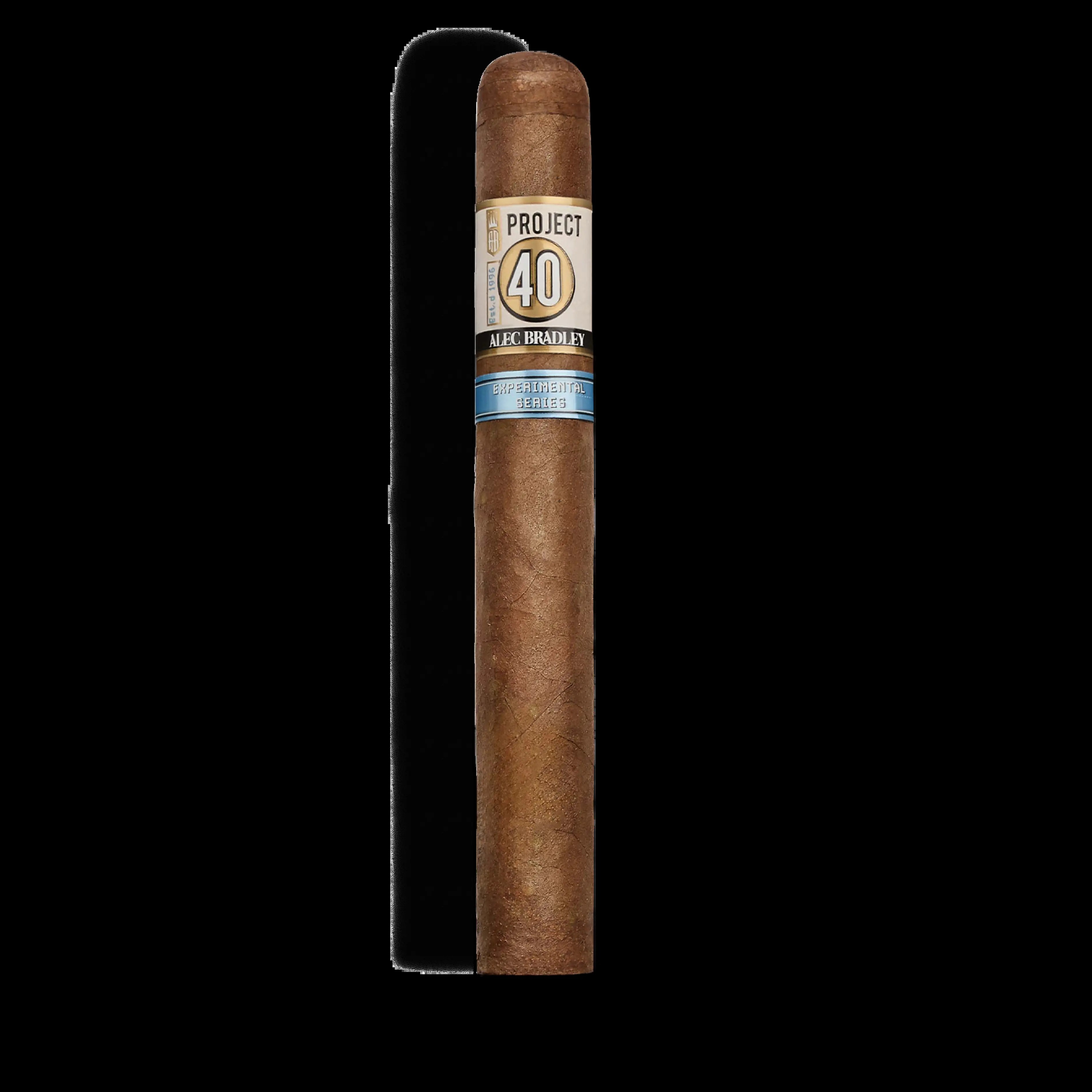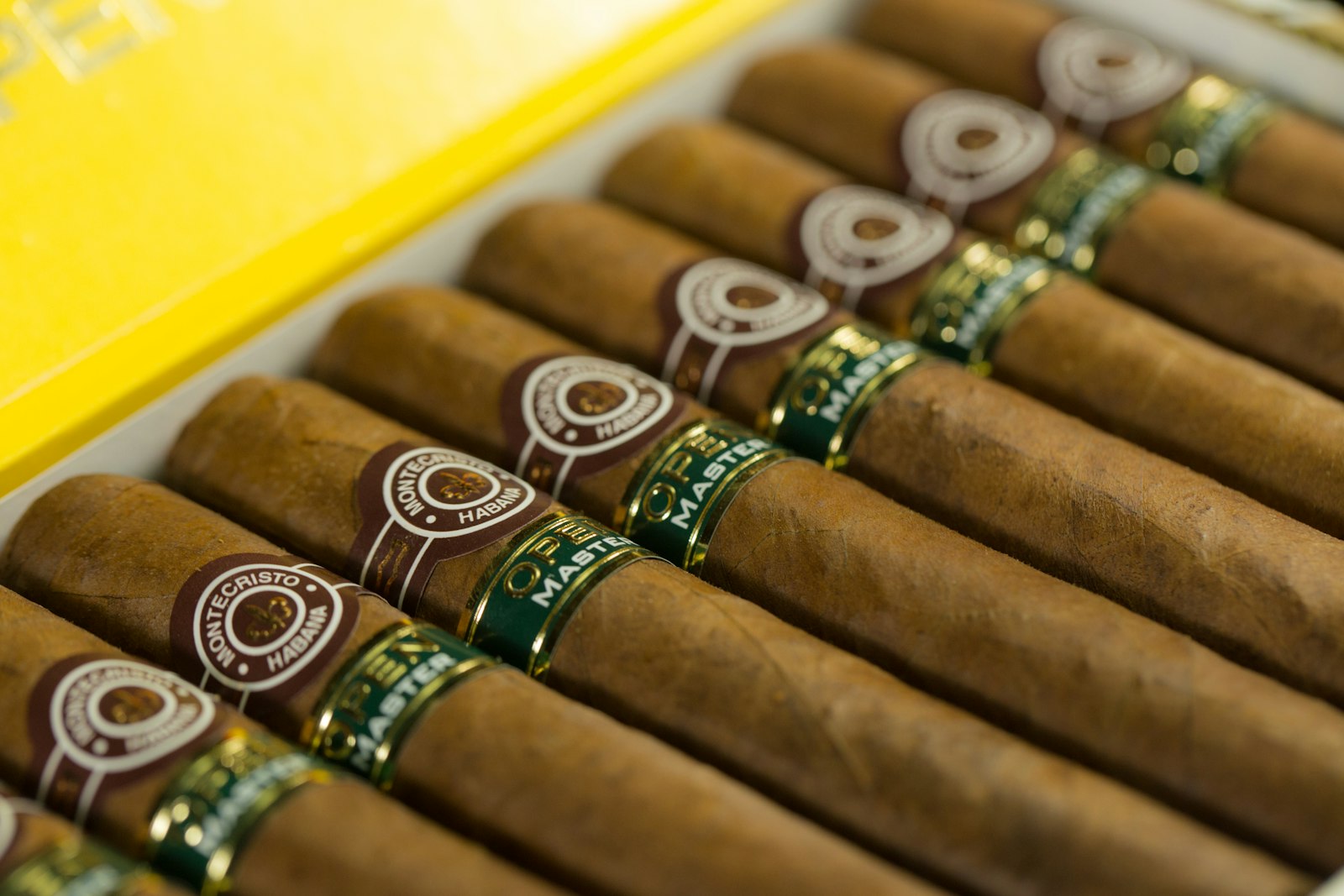
Two cigars. Two different experiences. Which one do you prefer—and why?
Comparing cigars gives you a chance to notice what matters to your palate. One might offer a smoother draw. Another might develop more interesting flavors. One may impress you immediately, while the other becomes more enjoyable as it progresses.
The purpose is to pay attention, record your own experience, and make a choice you can explain.
Give Both Cigars a Fair Opportunity
Try to keep the conditions reasonably similar. A strongly flavored drink, a heavy meal, wind, interruptions, or a rushed session can affect your comparison.
Water is a useful starting point because it adds little competing flavor. Give yourself enough time to evaluate each cigar without forcing the pace.
You do not have to smoke both simultaneously or finish them in one sitting. If you compare them in separate sessions, keep notes and try to use similar conditions. Record which cigar you evaluated first, too—order and a tired palate can influence your impressions.
If something goes wrong, write it down. A damaged wrapper or difficult light is useful context for understanding the experience.
Start With Draw and Burn
Before searching for flavor descriptions, notice how the cigar performs.
Does the draw feel comfortable, tight, or unusually loose? Does the cigar stay lit at your normal pace? Does it require frequent corrections? Does the construction let you focus on the experience?
Separate what happened from what you think caused it. “Needed three relights” is a clear observation. “Poorly made” is a conclusion that may require more evidence.
Describe Flavor in Your Own Words
You do not need an elaborate vocabulary to make useful notes.
Start with simple descriptions: sweet, earthy, woody, peppery, creamy, toasted, or bitter. If you cannot identify a particular flavor, describe its effect instead: soft, sharp, rich, clean, or lingering.
“Smooth, lightly sweet, with a dry finish” can be more useful than a long list of flavors you are unsure you tasted.
Pay attention to change. Did the cigar become more enjoyable, remain consistent, or lose your interest?
Consider Balance and Overall Enjoyment
Intensity and enjoyment are different things. Ask whether the flavors worked together and whether the experience suited you.
Did one characteristic overwhelm everything else? Was the finish pleasant? Did the cigar hold your interest?
Then ask the most practical question:
Which cigar would you choose again?
Your notes should help you understand that answer.
Record Your Opinion Before the Discussion
When comparing cigars with a group, complete your own evaluation before reading other scores or hearing everyone’s favorite.
Then compare notes. Someone else may notice something you missed, or prefer exactly the characteristic you disliked. That makes the discussion useful without requiring everyone to agree.
Your Favorite Can Be Different
You can prefer a different cigar from your friend, the store owner, the Master Ashologist, or the eventual tournament winner.
A group result tells you which cigar prevailed under that competition’s rules. Your evaluation records your experience.
If you enjoyed one cigar more, let that guide your choice. You do not need to change your answer because another cigar has a bigger reputation, a higher price, or more supporters.
Put Your Comparison Into Practice
Use the Ashologist palate test to record your impressions, and visit CigarBracket.com for the bracket and participation instructions.
Evaluate each cigar honestly. Keep your own notes. When it is time to choose, choose the cigar you enjoyed most.
Ashology™ — The Study of Cigars.
For adults of legal smoking age.